Invited Conferences
Connecting, Collaborating, and Co-Creating: Paradox Fine Art European Forum
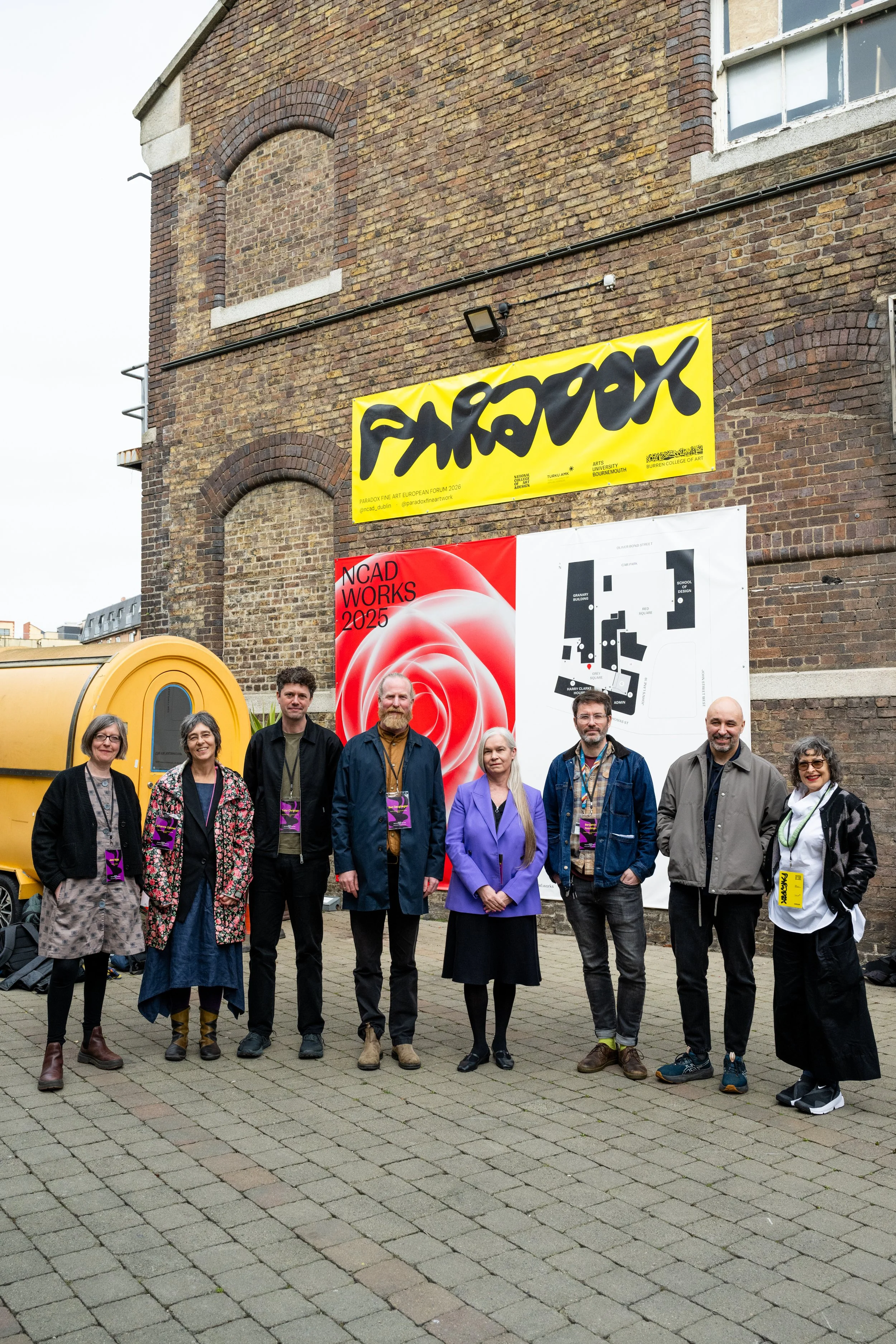
Blast Radius was selected to make a presentation about Research Art Lab at the 10th Annual Paradox Fine Art European Forum at National College of Art and Design, Dublin 30 March - 1 April 2026,
Marking the 10th PARADOX European Fine Art Forum, this gathering - CCC: Connecting + Collaborating + Co-Creating brought together over 60 artists, educators, and researchers from Dublin to Helsinki, Gothenburg to Pittsburgh, for a programme of talks, workshops, and collective inquiry. The programme touched on art’s role in civic life, ecological thinking, mental health, community-building, pedagogy, and so much more, all grounded in an open invitation to come together and reflect on what art education can be.
Blast Radius was part of the interdependent Landscapes group and presented Research Art Lab as a case study in collaborating and connecting with the landscape.
Pier Projects: Socially Engaged Art Practice in the East: Ports, Portals and New Possibilities
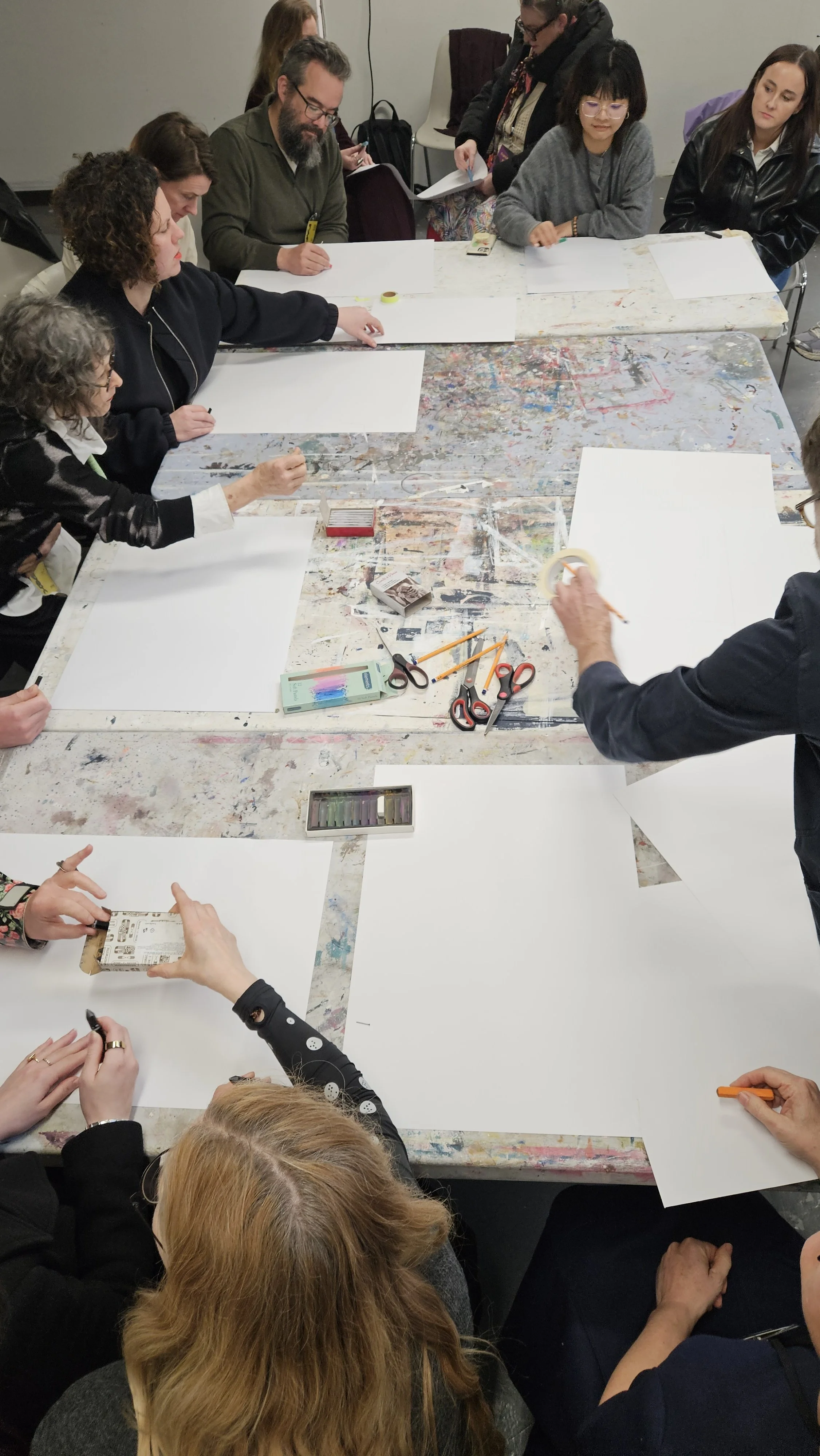
Blast Radius developed an action lab workshop DIY Residencies, as part of this symposium on 6 November 2025
The symposium brought together socially-engaged artists, arts practitioners, community members and representatives from local authority universities and interested stakeholders to map social arts practice in the region, share knowledge, ignite new conversations and foster new collaboration.
Defining a Visual Practices Lab
Caltech-Huntington Program in Visual Cultures, California Institute of Technologies, Los Angeles, USA 11 April 2025
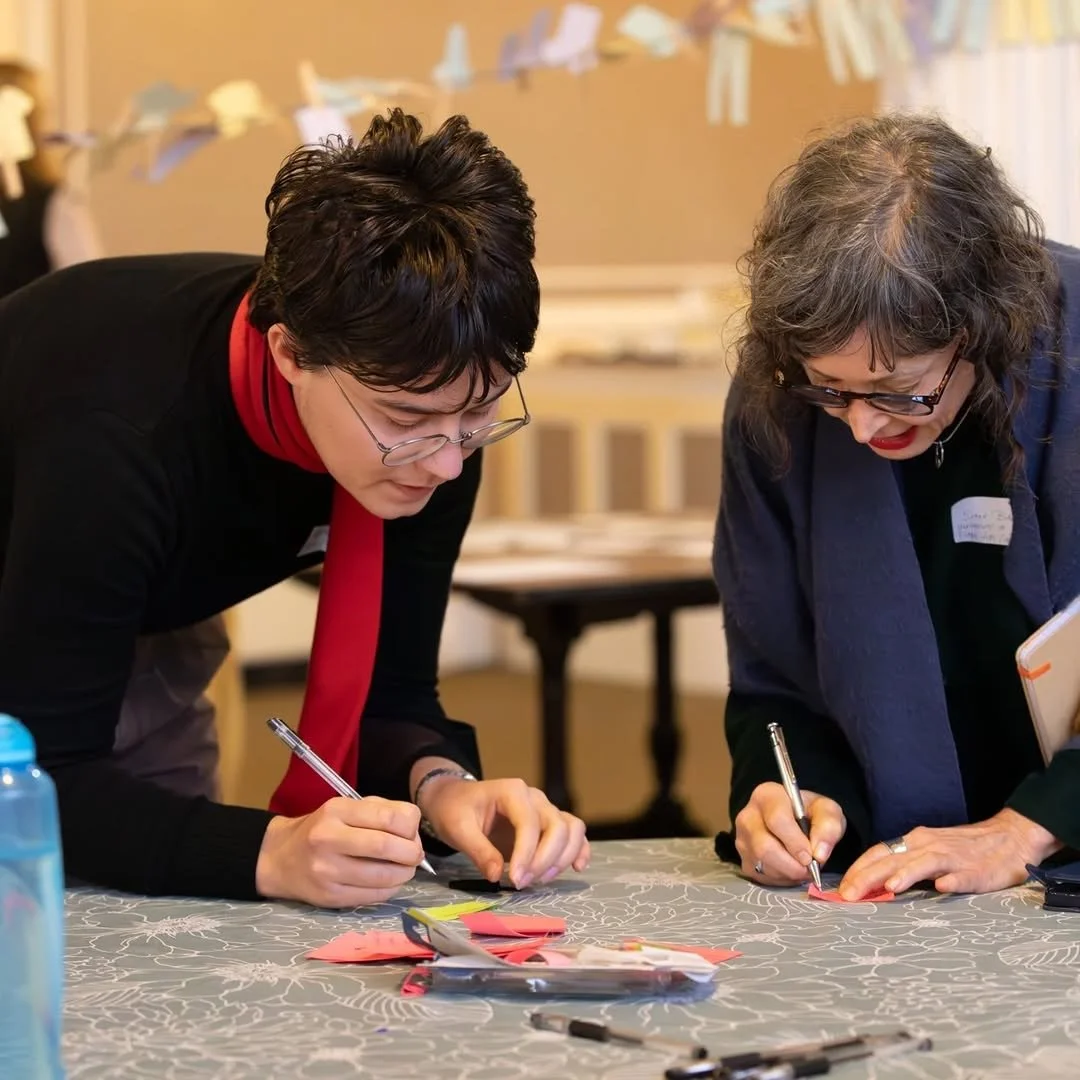
Blast Radius were invited to present at this public workshop that explored the essential role of diverse visual practices in driving innovative art-science-society collaborations. Visual practices—formalized methods of representing and interpreting subjects—are employed across a wide range of disciplines, both within and outside academia. The workshop featured visual artists who presented model projects they are developing in collaboration with environmental scientists, farmers, technologists, bioindustry experts, government officials, community representatives, activists, and fellow artists. Discussions focused on the value of visual practices that embrace intuition, creativity, and the unknown to generate new insights and address complex environmental, technological, social, and political challenges.
